

Taking Care of Your Heart Is Taking Care of Your Future
February is recognized as American Heart Month, a nationwide observance dedicated to raising awareness about cardiovascular health, heart disease, stroke, and the actions people can take to reduce their risk.
American Heart Month was first proclaimed in 1964 by President Lyndon B. Johnson, and its purpose continues today: encouraging people to understand their cardiovascular risk, adopt healthier habits, recognize warning signs, and take action when a cardiac emergency occurs.
In 2026, the American Heart Association is placing particular emphasis on being prepared to respond during cardiac emergencies, including learning CPR and becoming a capable first responder until professional medical help arrives.
Heart health is not simply about preventing disease. It also involves understanding blood pressure, cholesterol, blood glucose, sleep, physical activity, nutrition, tobacco exposure, weight, and other factors that influence cardiovascular health.
History of American Heart Month
American Heart Month began in 1964 when President Lyndon B. Johnson officially proclaimed February as a month dedicated to increasing awareness of heart disease.
More than six decades later, the observance has evolved from a broad awareness campaign into a wider movement focused on prevention, early recognition, emergency preparedness, cardiovascular health education, and community action.
The 2026 observance also highlights the importance of CPR education. The American Heart Association’s current message emphasizes that an ordinary person may become the first responder during a cardiac emergency, before professional help arrives.

Why Is It Important to Take Care of Your Heart?
Heart disease refers to a broad group of conditions affecting the heart and cardiovascular system. Coronary artery disease is one of the most common forms and occurs when the arteries supplying blood to the heart become narrowed or blocked.
Heart disease remains a major public-health concern in the United States. According to the latest CDC mortality data, heart disease remained the leading cause of death in the United States in 2024, accounting for 683,491 deaths.
Prevention therefore remains an important part of cardiovascular care, particularly through early identification and management of modifiable risk factors.
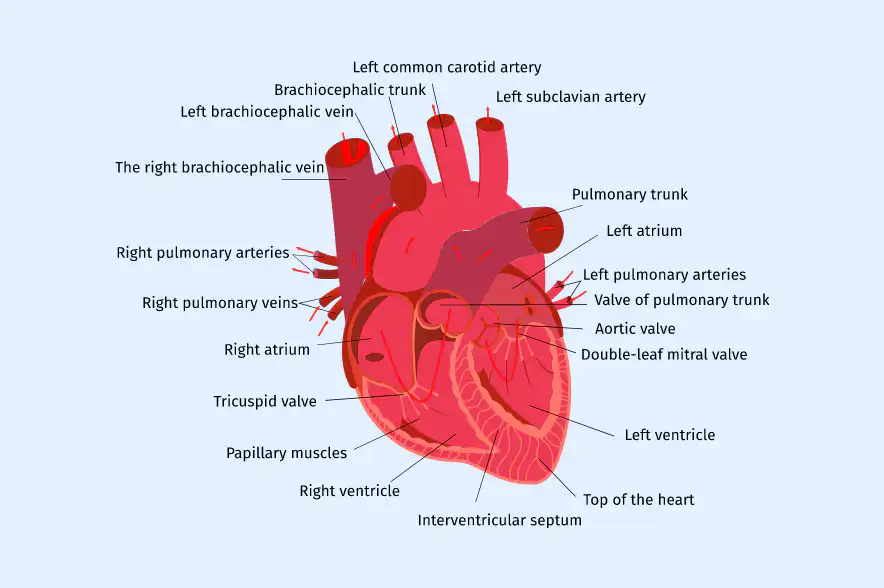
As we proceed further, let us understand about heart diseases:
Heart Disease
Heart disease refers to a broad group of conditions affecting the heart and cardiovascular system. Coronary artery disease is one of the most common forms and occurs when the arteries supplying blood to the heart become narrowed or blocked.
Heart disease remains a major public-health concern in the United States. According to the latest CDC mortality data, heart disease remained the leading cause of death in the United States in 2024, accounting for 683,491 deaths.
Prevention therefore remains an important part of cardiovascular care, particularly through early identification and management of modifiable risk factors.
Symptoms of Heart Disease
Heart Attack
Possible warning signs include:
- Chest pressure, squeezing, fullness, or discomfort
- Shortness of breath
- Discomfort that may extend to the arm, back, neck, jaw, or stomach
- Cold sweat
- Nausea
- Lightheadedness or unusual weakness
Some people, particularly women, may experience symptoms that are less commonly associated with a heart attack. Unusual fatigue, nausea, shortness of breath, or discomfort in other areas of the body should not automatically be dismissed.
Heart Failure
Heart failure may cause:
- Shortness of breath
- Persistent fatigue or weakness
- Swelling in the feet, ankles, legs, or abdomen
- Rapid or unexplained weight changes
- Difficulty breathing when lying down
Arrhythmia
Arrhythmias involve abnormal heart rhythms. Possible symptoms include:
- Fluttering or racing heartbeat
- Palpitations
- Dizziness
- Fainting or near-fainting
- Shortness of breath
- Chest discomfort
Symptoms can have multiple causes, so medical evaluation is important when new or concerning symptoms occur.

Do not ignore these early signs!
Recognizing a cardiac emergency quickly can make a significant difference.
In 2026, the American Heart Association is emphasizing a simple but important message: you can be the first responder until professional help arrives.
More than 350,000 out-of-hospital cardiac arrests occur in the United States each year, according to the American Heart Association. Immediate CPR can double or even triple the chances of survival in a cardiac-arrest situation.
Knowing how to recognize an emergency and perform Hands-Only CPR can therefore be an important part of community preparedness.
If someone suddenly collapses, is unresponsive, and is not breathing normally, emergency services should be contacted immediately and CPR started according to established emergency guidance.
Heart Disease is the leading cause of death in the USA.
Every year 805, 000 people in the United States have a heart attack.
Risk factors for heart disease
Heart disease can result from a combination of genetic, medical, behavioral, and environmental factors.
- High Blood Pressure: Hypertension can place additional strain on the heart and blood vessels. Because high blood pressure may not produce noticeable symptoms, regular measurement and appropriate management are important.
- High Cholesterol: Excess LDL cholesterol can contribute to plaque buildup inside arteries, increasing cardiovascular risk.
- Diabetes: Diabetes can affect blood vessels and increase the risk of cardiovascular disease. Managing blood glucose and addressing other cardiovascular risk factors can help reduce overall risk.
- Overweight and Obesity: Excess body weight can contribute to conditions such as hypertension, diabetes, and abnormal cholesterol levels, which can increase cardiovascular risk.
- Physical Inactivity: A sedentary lifestyle can negatively affect cardiovascular health. Regular physical activity is an important component of maintaining overall heart health.
- Unhealthy Diet: Dietary patterns high in sodium, added sugars, saturated fats, and highly processed foods can contribute to cardiovascular risk. A balanced eating pattern emphasizing vegetables, fruits, whole grains, legumes, lean protein, and other nutrient-rich foods can support heart health.
- Tobacco Use: Smoking damages blood vessels and is a major cardiovascular risk factor. Avoiding tobacco and seeking support to quit can significantly benefit heart health.
- Alcohol Consumption: Alcohol intake can affect blood pressure and other cardiovascular risk factors. Individuals who drink should discuss their consumption with a healthcare professional when appropriate.
- Stress and Sleep: Long-term stress and inadequate sleep can also influence cardiovascular health. Building consistent sleep habits and finding healthy ways to manage stress can complement other heart-health strategies.
People with a family history of cardiac arrests and disorders should get genetic predisposition or screening after a certain age, as per requirements.






Maintaining a healthy heart worries you?
A sound cardiovascular health is essential for every human being. Given the increasing number of heart diseases in America, it becomes vital to
- Check for warning signals, and be in touch with your cardiologists regularly
Heart Health in 2026: Look Beyond the Heart
One of the important developments in current cardiovascular-health messaging is greater recognition of the relationship between the heart, kidneys, and metabolic health.
The American Heart Association notes that diabetes and kidney disease are important cardiovascular risk factors, while many people may not realize how closely these conditions are connected. Regular attention to blood pressure, cholesterol, blood glucose, waist circumference, and kidney function can help identify risks earlier.
This broader approach means heart health is no longer viewed only through the lens of the heart itself. Cardiovascular prevention increasingly involves looking at the person’s overall health profile.
How to Support a Healthier Heart
Maintaining cardiovascular health is an ongoing process rather than something limited to February.
Some practical steps include:
- Monitor blood pressure and cholesterol regularly.
- Discuss blood glucose and diabetes risk with a healthcare professional.
- Maintain regular physical activity.
- Choose a balanced, nutrient-rich eating pattern.
- Avoid tobacco products and secondhand smoke.
- Aim for consistent, quality sleep.
- Maintain a healthy weight appropriate for your individual circumstances.
- Manage stress through healthy coping strategies.
- Attend recommended preventive health appointments.
- Learn CPR and basic emergency-response skills.
The American Heart Association’s Life’s Essential 8 framework also emphasizes healthy eating, physical activity, nicotine avoidance, healthy sleep, weight management, cholesterol, blood sugar, and blood pressure as key components of cardiovascular health.
American Heart Month 2026: Be Ready to Act
American Heart Month is not only about learning how to prevent heart disease. It is also an opportunity to prepare for situations in which immediate action may be needed.
The American Heart Association’s 2026 campaign emphasizes CPR education and encourages people to become part of a Nation of Lifesavers.
National Wear Red Day in 2026 was observed on Friday, February 6, continuing the effort to raise awareness of cardiovascular disease and women’s heart health. The American Heart Association reports that more than four in ten women in the United States have some form of cardiovascular disease, including heart disease or stroke.
Taking a few minutes to learn CPR, understand heart-attack warning signs, check important health numbers, or encourage a family member to schedule a preventive appointment can all contribute to better cardiovascular awareness.
Conclusion
American Heart Month 2026 provides an opportunity to move beyond awareness and toward action.
Heart disease remains the leading cause of death in the United States, making cardiovascular prevention and early intervention important public-health priorities. The latest CDC data show that heart disease remained the country’s leading cause of death in 2024, while more recent 2026 health initiatives continue to emphasize prevention, CPR education, and emergency preparedness.
Taking care of the heart involves more than one lifestyle change. It means understanding personal risk factors, monitoring important health measures, maintaining healthy habits, recognizing warning signs, and knowing what to do when an emergency occurs.
This American Heart Month, make heart health a year-round priority—and consider learning the skills that could help save a life when every second matters.